Recycling and Sustainability for Gardeners Selhurst
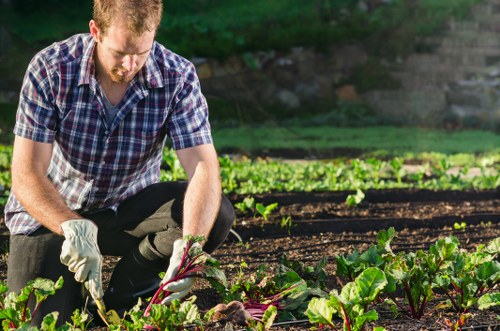 Gardeners Selhurst is committed to greener working methods that support local waste reduction, responsible material handling, and lower-emission site visits. As part of our recycling and sustainability approach, we aim to keep reusable green waste, packaging, and soil-related materials out of landfill wherever practical. Our gardening recycling practices are shaped by the realities of working across South London, where boroughs often encourage careful waste separation and clear sorting of garden, household, and construction-related materials. By combining efficient collection routines with eco-conscious disposal, Gardeners Selhurst helps create tidy outdoor spaces while reducing environmental impact.
Our recycling percentage target is designed to be both ambitious and realistic. We aim to recycle or reuse at least 80% of non-hazardous green waste collected from regular maintenance, clearance, and planting jobs. That includes organic cuttings, leaves, prunings, and other compostable material that can be processed through approved facilities. In addition, we prioritise the recovery of suitable pots, trays, timber offcuts, and clean packaging where local systems allow it. This target is reviewed alongside operational data so our Gardeners Selhurst sustainability plan continues to improve over time.
To support this goal,  we use local transfer stations and licensed disposal points that serve the wider Croydon and surrounding borough network. These facilities help route waste into the correct streams, whether that means composting organic matter, separating recyclable metals and plastics, or sending residual material for compliant processing. When managing larger clearances, the team follows local borough expectations around waste separation, which can include separating soil, green cuttings, and mixed loads before they are transferred. This careful approach supports cleaner recycling outcomes and reduces contamination.
Our partnerships with charities are another important part of the service. Where items are still usable, we look to donate suitable tools, planters, and garden accessories to community groups or charity-led reuse schemes. Some recovered materials may also be passed on for local projects that support neighbourhood growing spaces, school gardens, or community allotments. This helps extend the life of good-quality items and gives our Selhurst gardeners a practical role in the circular economy. In this way, garden waste recycling is only one part of a broader resource-saving strategy.
Charitable collaboration also supports seasonal work. For example, when old containers, decorative features, or surplus materials are removed during a garden refresh, our team checks whether anything can be cleaned, sorted, and redirected to a suitable charity partner. This reduces unnecessary disposal and supports local causes at the same time. The emphasis is always on safe, traceable reuse, with non-reusable or damaged items sent to approved recycling routes. That balance helps ensure that eco-friendly gardening in Selhurst remains practical as well as responsible.
At the middle of our operations is a focus on low-carbon travel. 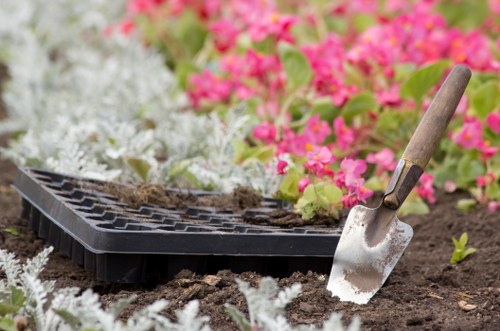 Our fleet uses fuel-efficient, low-emission vans that are selected to reduce the carbon footprint of frequent site visits. These vehicles are maintained with efficiency in mind, and route planning is used to reduce unnecessary mileage across Selhurst and nearby areas. By combining clustered appointments where possible and using vans with lower emissions than older alternatives, we can support a more sustainable delivery model without compromising service reliability. This is a key part of our green gardening services commitment.
We also consider how day-to-day jobs generate waste. In many domestic gardens, the most common recyclable material is green waste, but there are often additional items that need careful separation. Broken terracotta, damaged plastic pots, old canes, packaging film, and small metal fittings may all need different handling depending on their condition and local borough rules. Where boroughs encourage strict waste separation, our team makes sure each load is sorted to maximise recovery and minimise cross-contamination. That makes a meaningful difference in urban areas where disposal space is limited and recycling systems are heavily relied upon.
In larger seasonal projects, such as clearances or redesigns, sorting becomes even more important. 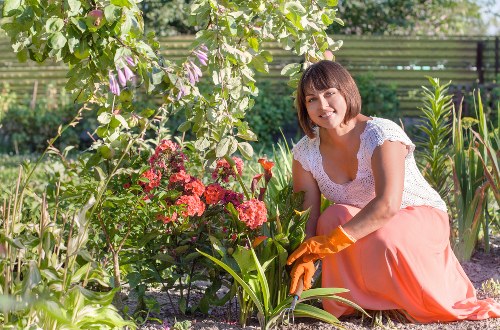 We may separate healthy prunings for composting, direct untreated wood to suitable recovery streams, and keep soil, rubble, and mixed debris apart so it can be processed correctly. This method supports higher recycling rates and better environmental outcomes. It also helps our clients benefit from a tidier, more organised job site while knowing that the recycling-focused garden maintenance has been handled with care. Small choices in sorting can make a big difference to overall sustainability.
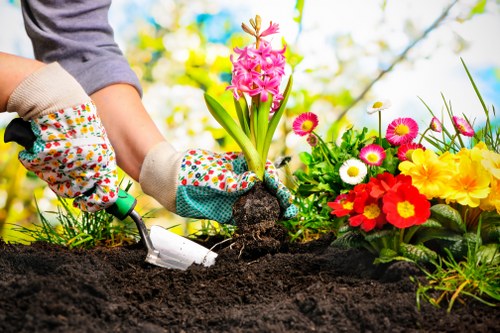 Finally, our sustainability approach includes looking beyond waste and transport to the entire service lifecycle. That means buying longer-lasting equipment where possible, maintaining tools to extend their working life, and choosing supplies with reduced packaging. It also means training teams to think about reuse before disposal, especially when working on projects that generate surplus plant material or replacement items. For Gardeners Selhurst, sustainability is not a single action but a set of habits that shape how every job is completed. By combining recycling targets, charity partnerships, local transfer stations, and low-carbon vans, we aim to deliver a cleaner and more responsible gardening service for Selhurst and the surrounding boroughs.