Whitehorse Lane gardeners for tight access rear garden work
If your rear garden feels like it was designed to test patience rather than welcome a spade, you are not alone. Narrow side passages, awkward steps, shared access, low gates, and the old "you'll have to carry everything through the house" routine can make even simple garden jobs feel like a small expedition. That is exactly where Whitehorse Lane gardeners for tight access rear garden work make a real difference. They are used to planning around restricted entry, protecting property as they move through it, and getting proper results without turning the place upside down.
This guide explains how tight-access rear garden work is approached, what to expect, what good practice looks like, and how to decide whether you need a one-off tidy-up or a more involved transformation. Truth be told, the access itself is often the hardest part. Once that is solved, the garden usually starts behaving itself.
Why Whitehorse Lane gardeners for tight access rear garden work Matters
Tight access changes everything. A rear garden that looks straightforward from the patio can become awkward the moment you try to move bags of compost, cut branches, rubble, fencing panels, or a wheelbarrow through a side return that is barely shoulder-width. In those situations, the value of experienced gardeners is not just physical labour. It is planning, sequencing, and damage control.
With limited access, the job is rarely "just tidy the beds." It may involve protecting hallway floors, moving materials in smaller loads, breaking waste down before removal, choosing compact tools, and selecting plants or finishes that can actually be delivered and installed without drama. That sounds small, but it is huge. A rushed approach can scratch walls, flatten borders, disturb neighbours, or simply turn a short job into an all-day slog.
There is also a design angle that people miss. Rear gardens with poor access often benefit from simpler layouts, lower-maintenance planting, and materials that are easier to manoeuvre. For ideas on those kinds of planting schemes, the articles on UK ground cover plants and rapid growth privacy hedges are a helpful starting point.
How Whitehorse Lane gardeners for tight access rear garden work Works
The process is usually more methodical than people expect. Good access work starts before anyone lifts a tool. A sensible team will assess the garden route, check how wide gates and passages are, and decide whether they can bring materials through cleanly or need to reduce loads and work in stages. That early planning saves time later. Plenty of time, actually.
In practice, tight-access work often follows a pattern:
- Initial assessment - The gardener checks access points, ground conditions, slopes, storage space, and any fragile surfaces.
- Material planning - Soils, aggregates, timber, plants, and waste capacity are planned around the available route.
- Protection setup - Doorways, floors, walls, and paving may be protected with coverings where needed.
- Staged work - Tasks are completed in a sequence that avoids repeated movement through the same constrained areas.
- Waste management - Green waste and spoil are bagged, stacked, or removed in manageable loads.
- Finishing and tidy-down - The route is cleared, surfaces are checked, and the garden is left usable, not merely "done."
That kind of workflow matters whether the job is a border refresh, hedge cutting, planting, patio cleaning, or full garden maintenance. It also helps to think about the end use of the space. Tight-access gardens usually reward cleaner edges, stronger planting structure, and fewer fussy features. If you are considering a wider improvement project, the main gardening services and garden maintenance pages can help frame what a broader service may include.
One small but useful point: rear gardens with tricky access often need a lighter touch in winter and during wet weather. Mud, slippery paving, and hidden trip points make everything slower. A bit of patience goes a long way there.
Key Benefits and Practical Advantages
What do you actually gain from using gardeners who understand restricted rear access? More than just convenience, to be fair.
- Less risk of damage - Narrow hallways and side passages stay cleaner and safer when items are carried with a plan.
- Better use of labour time - The work moves in a tidy sequence rather than constant back-and-forth improvisation.
- Cleaner results - Access-aware gardeners tend to leave fewer mess trails and fewer "we'll sort that later" corners.
- More realistic design choices - Plants, structures, and materials are chosen with the access constraints in mind.
- Safer working conditions - The right tools, lifting methods, and site setup reduce the chance of accidents.
- Less disruption at home - That matters when people are working from home, have children around, or simply do not want the house treated like a depot.
There is another advantage that gets overlooked: a good contractor will often spot hidden opportunities. A cramped garden can still feel open if the planting is layered well, the route lines are simplified, and the hard landscaping is designed with movement in mind. For example, low, resilient planting can soften small spaces without blocking access. The guides on ground cover must-haves and vertical gardening techniques are particularly useful for compact rear gardens.
Expert summary: if access is tight, the best outcome usually comes from careful prep, compact logistics, and a design that respects the reality of the space rather than fighting it.
Who This Is For and When It Makes Sense
This kind of gardening support is a good fit for a wide range of households. You may need it if the rear garden is only reachable through a narrow side passage, an internal hallway, a shared path, or a gate that barely clears a mower. It is also useful if the garden is overgrown and you need clearance before anything else can happen.
Typical situations include:
- terraced homes with slim side access
- older properties where access was never designed for modern equipment
- rented homes needing careful, low-disruption work
- family gardens where large items must not be taken through busy living areas
- rear gardens with poor drainage, compacted soil, or heavy shade
- small urban gardens where every metre counts
It also makes sense if you are planning anything heavier than a simple tidy-up. Soil replacement, raised beds, fence repairs, hedge reshaping, old paving removal, or tree-related work can all become awkward when access is limited. In those cases, the right team is not the one with the biggest trailer. It is the one that can think three steps ahead.
If your project is mostly about controlling overgrowth or restoring shape, the hedge trimming in Selhurst page is a sensible related reference, especially where shrubs press into pathways or block light at the rear of the house.
And if the garden is also dog-used, child-used, or just generally busy, the work needs to be practical, not precious. Gardens have to live with people. That sounds obvious, but it gets missed.
Step-by-Step Guidance
If you are arranging tight-access rear garden work, this simple sequence helps keep things calm and efficient.
- Photograph the route
Take pictures of the access path, gates, steps, and any awkward corners. This helps with planning and avoids surprises on the day. - Measure the narrow points
Even rough measurements are useful. Gate width, passage width, height clearance, and turning room all matter. - List the actual job
Be specific. Is it clearance, planting, lawn repair, soil work, patio cleaning, hedge trimming, or a larger redesign? - Identify the fragile parts of the route
Think paintwork, tiles, loose slabs, low door handles, cable runs, and anything that could be knocked or scratched. - Plan the waste route
Ask how green waste or rubble will be taken out. That is often the hidden headache in rear-garden projects. - Choose access-friendly materials
Smaller bags, modular edging, lighter containers, and compact plants are often the easiest win. - Do the disruptive work first
Clearance, digging, cutting, and removals should happen before decorative or finishing work. - Finish with a usability check
Walk the route. Open the gate. Check the path. Make sure the garden is tidy and actually easy to use.
That sounds organised because it is. Rear garden access work rewards people who plan the boring bits properly. It really does.
For inspiration on simple, realistic planting choices after clearance, the article on starter garden beauty tips is a handy companion read, while container gardening is useful where full-bed planting is not ideal.
Expert Tips for Better Results
These are the little decisions that separate a tidy, durable finish from a garden that needs redoing six weeks later.
- Keep the palette simple - In tight gardens, too many materials create visual clutter and make access more awkward.
- Prioritise edges and routes - Clear paths, clean borders, and defined movement lines make small spaces feel bigger.
- Use plants that forgive neglect - Compact, resilient species are better than high-maintenance choices that become a chore.
- Think in layers - Ground level planting, mid-height structure, and vertical interest can all work without crowding access.
- Control weeds early - In restricted rear gardens, weeds spread faster than you think if access makes routine maintenance difficult.
- Don't overload the space - A few well-chosen features beat a crammed garden every time.
One practical observation from real jobs: when access is awkward, the garden often benefits from lower maintenance choices more than from a dramatic redesign. A modest project that stays tidy is usually worth more than a grand plan that becomes hard to maintain in rain, wind, and the general chaos of life.
If weed pressure is part of the problem, the article on smart weed management strategies is worth a look. For more organic improvement, thriving soil from waste offers useful soil-building ideas.
And yes, measuring before buying is still one of the best "professional" habits anyone can have. Not glamorous, but effective.
Common Mistakes to Avoid
Tight-access rear garden work has a few predictable traps. Avoiding them saves money, time, and the odd bruised shin.
- Assuming standard equipment will fit - Mowers, barrows, and panels can be useless if they cannot pass through the route.
- Ordering materials too early - If deliveries arrive before access is planned, things can get awkward fast.
- Ignoring waste handling - Cuttings, soil, and broken materials need an exit strategy.
- Forgetting the house interior - Hallways and thresholds need protection if materials are moved through them.
- Overdesigning a small space - Tight rear gardens usually work best with restraint.
- Choosing plants for appearance only - In awkward access spaces, maintenance load matters just as much as looks.
Another common issue is not being honest about the condition of the garden. If there is heavy ivy, a collapsing fence panel, stacked waste, or a patch of saturated ground, say so early. It sounds obvious, but it is the sort of thing that changes the whole job plan. Better a slightly awkward conversation than a messed-up first visit.
For projects where boundary work is needed, the page on fencing can be useful as part of the wider planning picture.
Tools, Resources and Recommendations
Good results come from the right tools, but in restricted-access gardens the right size matters as much as the right tool. Big kit is not always clever kit.
| Task | Better-fit approach for tight access | Why it helps |
|---|---|---|
| Clearance and pruning | Hand tools, compact saws, manageable waste bags | Easier to carry through narrow routes |
| Planting | Smaller containers, staged delivery, lighter compost loads | Reduces strain and spill risk |
| Soil work | Short runs, mini-loads, protective flooring | Limits mess inside and outside |
| Surface cleaning | Portable equipment and targeted treatment | Works better where access to power or water is limited |
| Design changes | Modular features and compact plant choices | Makes future maintenance far easier |
Useful supporting reads for compact gardens include essential garden tools, climbers for shady spaces, and low-maintenance garden tips. The last one is especially useful if the rear garden has to stay manageable with limited access over the long term.
If your space is windy, exposed, or weather-sensitive, those conditions should shape the plant and layout choices too. The articles on taming wind in your garden and protecting against severe weather are especially relevant for exposed rear plots.
Law, Compliance, Standards, or Best Practice
For most domestic garden jobs, the main concern is not formal regulation but sensible, professional practice. That said, there are still standards worth taking seriously. Contractors should work safely, respect property, and handle waste in a responsible way. If access is through a shared hallway, side path, or neighbour-adjacent route, care and communication matter more than people expect.
Best practice usually includes:
- protecting internal and external surfaces where movement is required
- keeping routes clear and safe for carrying tools and materials
- using suitable personal protective equipment
- disposing of green waste responsibly
- avoiding unnecessary disturbance to neighbours
- checking for trip points, unstable ground, and hidden hazards before work begins
If the work involves trees, overhead branches, or heavy pruning, it is sensible to approach it carefully and use properly trained help. Tree work can be straightforward or it can be fiddly and risky, and there is not much sense pretending otherwise. If you need that broader support, the tree surgery page is the relevant place to start.
For general service expectations, it is also wise to review the company's own policies on health and safety, insurance and safety, and terms and conditions. Those pages help set expectations around responsibility, access, and what happens if conditions on site change.
Options, Methods, or Comparison Table
Not every rear-garden job with tight access needs the same approach. Here is a simple comparison that helps you decide what fits best.
| Approach | Best for | Strengths | Limitations |
|---|---|---|---|
| One-off clearance | Overgrown or unused gardens | Fast reset, easy to organise | Does not solve long-term maintenance alone |
| Regular maintenance | Gardens that are already functional | Keeps access routes and borders under control | Needs consistency |
| Targeted improvement | Specific issues like hedges, weeds, or tired lawn areas | Focused, cost-aware, practical | May not address the whole space |
| Full redesign | Spaces that are difficult to use or poorly laid out | Best for long-term value | More planning, more coordination |
If the rear garden is really limited, a targeted improvement plan is often the smartest choice. Not every space needs a total makeover. Sometimes you just need the right borders, the right pruning, and a route that does not feel like a squeeze every time you go outside.
For broader planning ideas, the landscaping page may also be useful where access-friendly layouts or surface changes are part of the conversation.
Case Study or Real-World Example
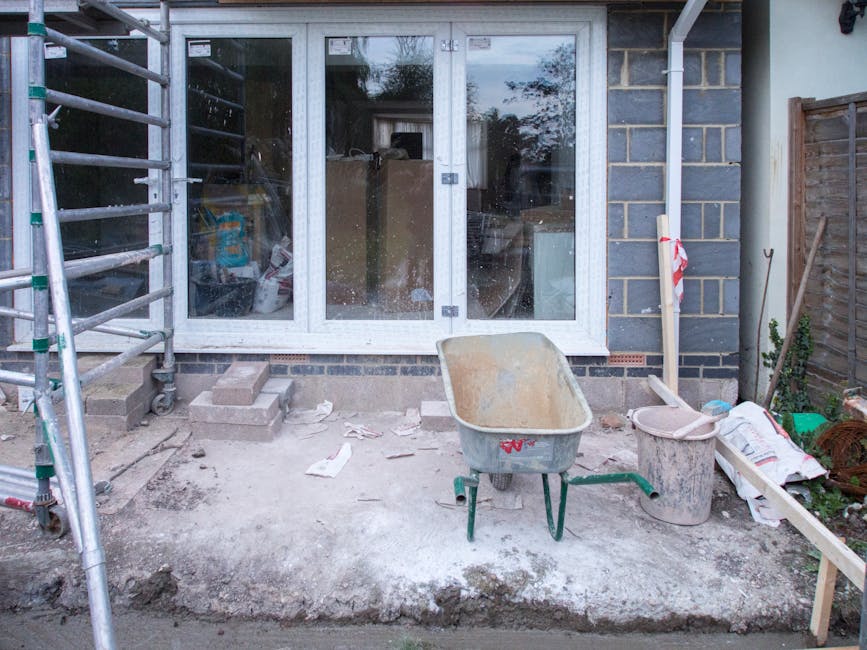
A typical tight-access rear garden job might look something like this: a terraced property with a narrow side passage, a back gate that barely clears a standard wheelbarrow, and a rear space full of uneven borders, persistent weeds, and a tired seating area. The homeowner wants the garden usable again, but does not want the living room treated like a construction zone.
In a case like that, the sensible approach is to split the work into stages. First, the access route is protected. Then the garden is cleared in smaller loads, with waste bagged and moved out gradually. Next, the worst weeds are dealt with, the soil is improved, and the planting is simplified so future maintenance stays realistic. Finally, the finishing touches are added: cleaner edges, a more coherent shape, and perhaps a few compact plants or climbers for vertical interest.
The result is not flashy in the Instagram sense. It is better than that. The garden becomes usable, calmer, and easier to maintain. You step outside in the evening, hear the back gate close, and the space just works. That is the goal, honestly.
For spaces that need to feel more restful after the practical work is done, the article on zen garden concepts can help you shape the final mood without overcomplicating the layout.
Practical Checklist
Use this checklist before booking or starting tight-access rear garden work:
- Measure the narrowest access points
- Note any steps, slopes, or slippery surfaces
- Check whether materials must pass through the house
- Clear personal items from the route
- Identify fragile paint, glazing, or flooring
- List the exact garden tasks in order of priority
- Think about waste removal and storage
- Decide whether the goal is clearance, repair, maintenance, or redesign
- Consider low-maintenance planting for the long term
- Ask about insurance, safety, and access handling
- Check whether the garden needs weather-proofing or better screening
- Make sure the finished layout will still be easy to maintain
If you like a garden that stays practical, this list is your friend. A quick check now avoids a lot of awkwardness later.
Conclusion
Whitehorse Lane gardeners for tight access rear garden work are about more than getting through a narrow passage with a few tools. They bring planning, care, and realistic problem-solving to spaces that often need all three. That matters whether you are trying to reclaim an overgrown rear garden, refresh a tired border, or make a cramped plot easier to live with every week.
The best outcomes usually come from modest, well-judged decisions: compact materials, sensible sequencing, and planting that suits the space rather than fighting it. Add in careful protection of the access route, proper waste handling, and a clear idea of what the garden should do for you, and even a tricky rear plot can become genuinely enjoyable.
If you want a cleaner, safer, and more manageable garden without the hassle of guessing your way through the job, the next step is simple. Speak to someone who understands restricted access and can plan around it from the start.
Get a free quote today and see how much you can save.
Sometimes the smallest garden changes create the biggest sense of relief. And that, really, is the nice part.
Frequently Asked Questions
What does tight access rear garden work actually mean?
It means garden work carried out where entry to the rear garden is limited by narrow side paths, small gates, internal routes, steps, or awkward turning space. The job needs more planning than a standard garden visit.
Can gardeners work through my house if the rear access is too narrow?
Sometimes, yes, but it depends on the route, the surfaces, and what needs to be carried. Any internal access should be protected carefully, and it is best discussed in advance so everyone knows what is involved.
What kind of jobs are common in tight-access rear gardens?
Common jobs include clearance, hedge trimming, border tidy-ups, weed control, planting, lawn care, patio cleaning, and small landscaping updates. More complex jobs can also be done if the access plan is realistic.
Is it more expensive to work in a garden with limited access?
It can be, depending on the difficulty of the access and how much extra handling is required. Smaller loads, extra protection, and slower movement can add time, so quotes often reflect that. It is not always more expensive, but it can be.
How do I prepare my property before the gardeners arrive?
Clear the access route, move loose items, secure pets, and flag any fragile surfaces or security concerns. It also helps to send photos and measurements before the visit if requested.
What should I ask before booking a tight-access garden job?
Ask how materials will be brought in, how waste will be removed, whether internal access is needed, what protection will be used, and whether the work will be done in stages. Those are the questions that save stress.
Can a small rear garden still look impressive after practical work?
Absolutely. In fact, compact gardens often look better when they are simplified. Clean edges, layered planting, and a few well-chosen features can make a small space feel calm and intentional.
Which plants work best where access makes maintenance difficult?
Low-maintenance, compact, and resilient plants are usually best. Ground cover, climbers, and tidy shrubs often suit these gardens well because they reduce future workload. The right choice depends on shade, sun, and soil conditions too.
Do tight-access gardens need special tools?
Usually, yes. Compact, portable tools and smaller waste-handling methods are often more useful than large equipment. Good tools make the job safer and much less awkward, which matters more than people think.
How long does rear garden work take when access is limited?
That depends on the task, the access route, and how much material must be moved. A small tidy-up may still be quick, while clearance or redesign work can take longer because every movement has to be managed carefully.
What if my garden also has poor drainage or exposed wind?
Then those issues should be dealt with as part of the plan, not as an afterthought. Rear gardens can be tricky in more than one way, so access, drainage, and weather exposure should all shape the final approach.
Where can I find more information about service standards and safety?
It is sensible to review the company's health and safety policy, insurance and safety, and terms and conditions so you understand how the work is handled before it begins.